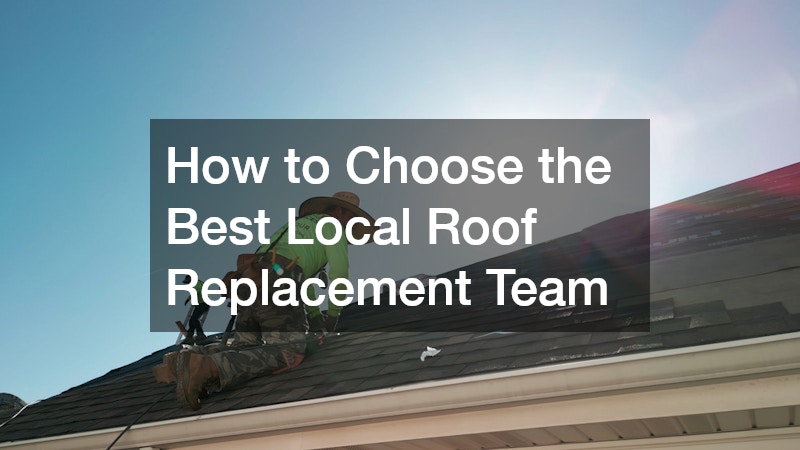
Replacing the structural barrier that shields your home from the elements is arguably one of the most significant investments you will ever make as a property owner. The sheer scale of the project, combined with the substantial financial commitment, can easily induce anxiety. Your home is your sanctuary, and the top layer protecting it must be resilient, reliable, and perfectly engineered to withstand decades of harsh weather.
Unfortunately, the home improvement industry is heavily saturated. Navigating the market requires more than just a quick online search; it demands a critical eye and a structured vetting process. Homeowners frequently find themselves overwhelmed by conflicting advice, wildly varying estimates, and high-pressure sales tactics from individuals who may not have their best interests at heart. The difference between a masterfully crafted shelter and a catastrophic, leak-prone nightmare often boils down to the specific team you hire to execute the job.
This comprehensive guide is designed to dismantle the complexities of the selection process. By breaking down the essential steps—from evaluating your initial needs and demanding stringent credentials to understanding the nuances of modern materials and holistic weatherproofing—you will be equipped to make a highly informed decision. The goal is to elevate you from a vulnerable consumer to an educated project manager, ensuring that the professionals you eventually invite onto your property are qualified, transparent, and fully capable of delivering a flawless result that protects your most valuable asset for generations.
Start by Conducting a Thorough Self-Assessment of Your Home’s Needs
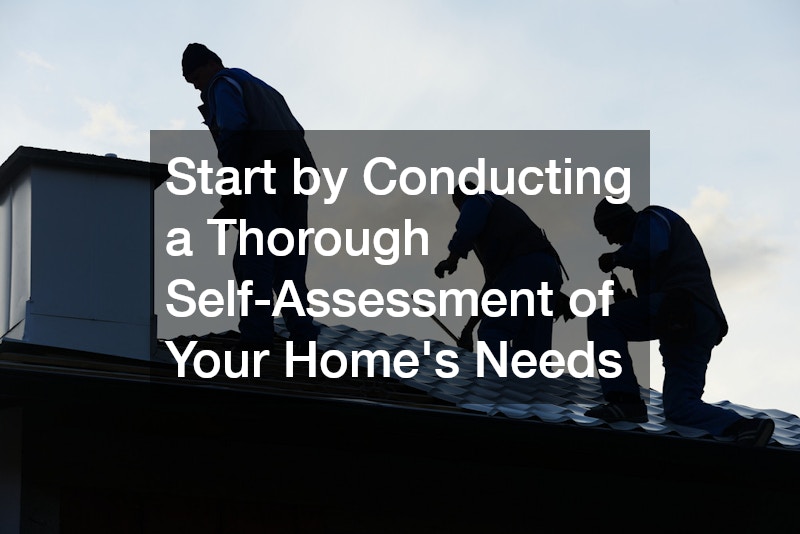
Before you even pick up the phone or submit an online inquiry, you must understand your baseline situation. Initiating a project without a clear grasp of your property’s current condition puts you at a distinct disadvantage during initial consultations. A thorough self-assessment allows you to articulate your problems clearly and prevents unscrupulous salespeople from exaggerating minor issues into mandatory, expensive overhauls.
Start your evaluation from the inside out. Head up to your attic during the day with a bright flashlight. You are looking for sunlight piercing through the decking, dark water stains on the rafters, or damp insulation, all of which indicate active moisture intrusion. Note any musty odors, which can signal hidden mold growth resulting from inadequate ventilation or long-standing leaks.
Next, conduct an exterior ground-level inspection. Grab a pair of binoculars and slowly scan the top of your property from across the street. You are not just looking for obvious gaping holes; you are hunting for subtle signs of systemic failure. Look for:
-
Granule Depletion: Check your downspouts for a heavy accumulation of coarse, sand-like granules. When these protective granules wash away, the underlying materials are exposed to damaging ultraviolet rays, causing them to bake and crack.
-
Curling or Buckling: Materials that are curving upward at the edges or bowing in the middle have reached the end of their functional lifespan. This is often caused by poor attic ventilation trapping intense heat, which essentially cooks the material from the inside out.
-
Sagging Decking: If the actual structural line of your roof appears wavy or is dipping between the trusses, this is a major red flag. It indicates that the plywood or OSB decking beneath the surface has rotted and lost its load-bearing integrity.
-
Damaged Flashing: Look closely at the metal strips surrounding your chimney, skylights, and vent pipes. If this metal is rusted, lifting, or sealed with excessive amounts of haphazardly applied roofing tar, you have vulnerable penetration points.
Once you have documented these specific issues, you can begin your search. Prioritizing a local roof replacement is a highly strategic move. A crew based in your immediate geographic area will have a deep, practical understanding of regional weather patterns, whether that involves coastal hurricane winds, heavy Midwestern snow loads, or intense Southwestern sun exposure. Furthermore, they will be intimately familiar with your specific municipal building codes and permitting processes, ensuring your project remains strictly compliant with city regulations.
Verify Licenses, Insurance, and Manufacturer Certifications Before Signing Anything
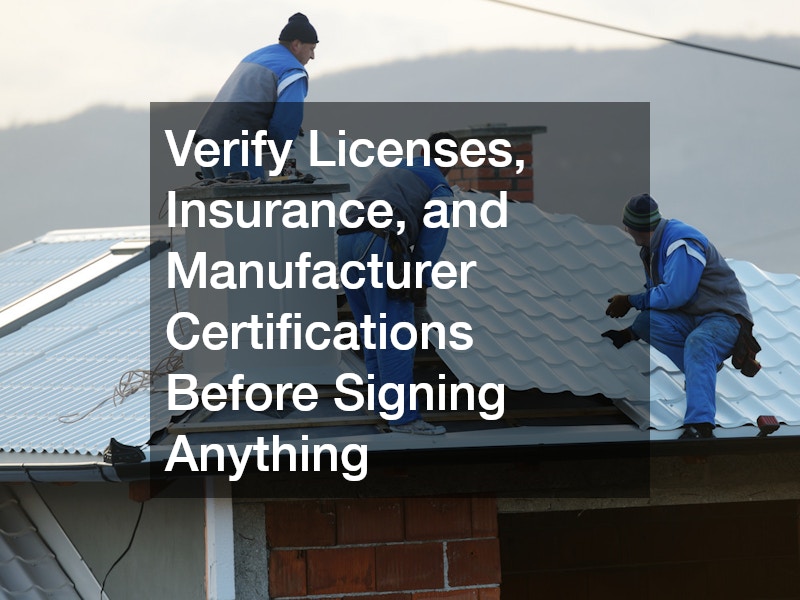
The barrier to entry in the home improvement industry can sometimes be alarmingly low. Almost anyone with a truck and a ladder can claim to be a professional, making rigorous credential verification your primary line of defense. Never take verbal assurances at face value; always demand physical or verifiable digital documentation before you sign a contract or hand over a deposit.
First and foremost, you must distinguish between reputable roofing contractors and fly-by-night operations by verifying their insurance status. A legitimate business must carry two distinct types of insurance:
-
General Liability Insurance: This protects your physical property. If a worker accidentally drops a heavy bundle of materials through your skylight, or if a poorly secured tarp leads to massive water damage inside your living room during a sudden downpour, general liability insurance covers the cost of those repairs. Without it, your own homeowner’s policy will have to absorb the blow, leading to skyrocketing premiums.
-
Worker’s Compensation Insurance: This protects you from catastrophic legal liability. Roofing is inherently dangerous work. If an uninsured worker falls off a ladder or slips on a steep pitch while on your property, you, as the homeowner, could be held directly responsible for their medical bills and lost wages. Always call the insurance provider listed on the certificate to ensure the policy is currently active and has not lapsed due to non-payment.
Beyond basic legal requirements, you should heavily scrutinize their professional credentials. The most reliable indicator of top-tier quality is a manufacturer certification. Major material manufacturers (such as GAF, Owens Corning, or CertainTeed) do not hand out their highest-level certifications lightly. To earn these elite designations, a roofing company must prove they are financially stable, adequately insured, and committed to ongoing technical training.
Hiring a factory-certified crew offers a massive advantage: access to extended, golden-pledge warranties. Because the manufacturer trusts the specific crew’s installation techniques, they are willing to back the materials with warranties that often cover non-prorated material defects for up to fifty years, and sometimes even cover the workmanship itself. If you hire an uncertified crew and they install the materials incorrectly, the manufacturer will instantly void your warranty, leaving you with absolutely no recourse if the system fails prematurely. Always check the Better Business Bureau (BBB) and local state licensing boards to confirm the business’s history, looking specifically for a track record of promptly resolving customer complaints rather than just a flawless, potentially manipulated five-star rating.
Discuss Material Options and Warranties for Long-Term Durability
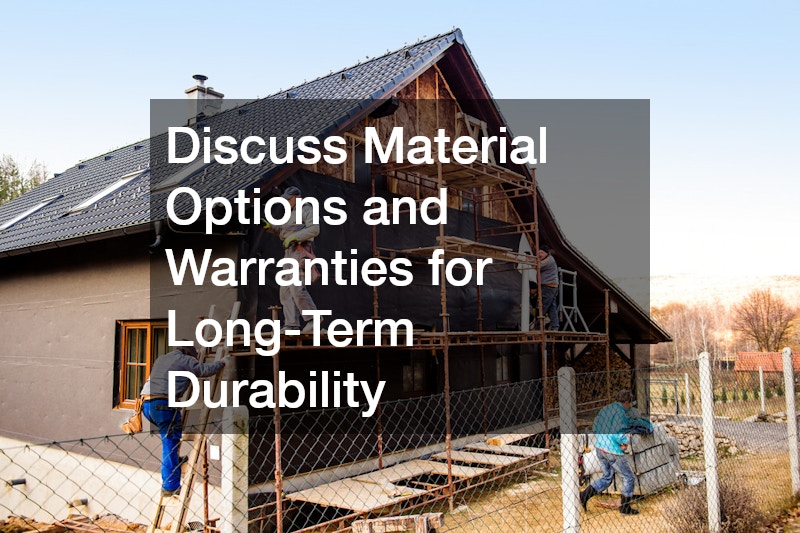
The aesthetic appeal of your home is deeply influenced by the materials you choose, but aesthetics must always be balanced against durability, weight, and climate suitability. Do not accept a generic quote without demanding a comprehensive breakdown of the specific products the crew intends to use. The cheapest estimate is almost always utilizing builder-grade materials that will drastically reduce the lifespan of your investment.
By far the most common and cost-effective choice in North America is an asphalt shingle roof, but even within this category, the variations in quality are staggering. You must understand the difference between traditional three-tab profiles and modern architectural (or dimensional) profiles:
-
Three-Tab: These are flat, single-layer materials that lay completely flush against the decking. They are the most economical option upfront, but they offer lower wind resistance (typically rated for up to 60 mph) and generally have a shorter lifespan. They are rapidly becoming obsolete in regions prone to severe weather.
-
Architectural/Dimensional: These feature multiple layers bonded together to create a thicker, more durable product with a sculpted, three-dimensional appearance that mimics the look of natural wood shake or slate. They are significantly heavier, offer superior wind resistance (often rated up to 130 mph when installed with specialized nailing techniques), and come with vastly superior warranties.
When discussing the project, you must also interrogate their planned roof installation methods. A high-quality job is not just about slapping down new top layers; it is about building a cohesive, interlocking system. Demand that the estimate includes a complete tear-off of the old materials down to the bare wooden decking.
Some crews will offer a “lay-over,” where they simply nail new materials directly over the old ones to save time and labor costs. You must refuse this practice. A lay-over adds immense, uncalculated structural weight to your home, traps underlying heat, and worst of all, prevents the crew from inspecting the wooden decking for hidden rot.
A proper installation process should be meticulously detailed in your contract and include:
-
Ice and Water Shield: A self-adhering, waterproof membrane applied to the most vulnerable areas, specifically the eaves, valleys, and around chimney penetrations, to prevent ice dams from pushing water backward into your living space.
-
Synthetic Underlayment: A modern, tear-resistant fabric that breathes better and repels water far more effectively than outdated traditional asphalt-saturated felt paper.
-
Drip Edge Flashing: Custom-bent metal installed along the entire perimeter to ensure water cleanly drops into your drainage system rather than curling backward and rotting your wooden fascia boards.
Evaluate the Crew’s Approach to the Entire System and Energy Efficiency
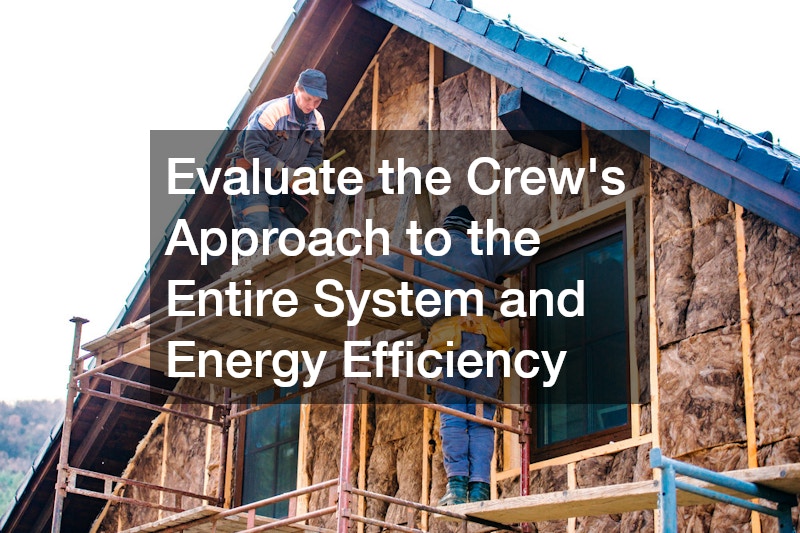
A critical mistake many homeowners make is viewing their home’s top layer as a static, impermeable lid. In reality, a properly functioning enclosure is a dynamic, breathing ecosystem. If the crew you are interviewing only talks about the exterior materials and ignores what is happening beneath the surface, they are not qualified to handle your project. A holistic approach involves managing thermal dynamics, moisture control, and water shedding simultaneously.
The most vital component of this ecosystem is ventilation. Without proper airflow, your attic becomes a stagnant oven in the summer and a moisture trap in the winter.
-
The Summer Bake: In hot months, an improperly ventilated attic can reach temperatures exceeding 150 degrees Fahrenheit. This immense trapped heat radiates downward, drastically increasing your air conditioning costs. Furthermore, it cooks the exterior materials from underneath, accelerating granule loss and causing premature cracking.
-
The Winter Freeze: In cold months, warm, moist air from your living space (generated by cooking, showering, and laundry) naturally rises into the attic. If it cannot escape, it condenses on the cold underside of the wooden decking, leading to rampant black mold growth and catastrophic wood rot.
A professional crew will carefully calculate your required net free ventilating area (NFVA) to ensure a perfect balance. This typically involves installing continuous intake vents under your eaves (soffits) to pull fresh air in, and continuous exhaust vents along the very peak (ridge) to push hot, stale air out.
Simultaneously, you must discuss the interior thermal barrier. While some homeowners opt for traditional blown-in cellulose or fiberglass batts, upgrading to spray foam insulation directly under the roof deck can create an incredibly efficient, unvented thermal envelope. This method stops air infiltration dead in its tracks, significantly reducing energy loads and preventing the formation of destructive ice dams in snowy climates. However, this specialized approach requires a crew that deeply understands the complex building science involved, as sealing an attic too tightly without proper moisture management can create entirely new problems.
Finally, evaluate how the crew intends to handle water once it leaves the edges of the structure. The most durable materials in the world are useless if the water shedding system fails at the perimeter. Ensure their plan integrates seamlessly with your rain gutters. The drip edge must be perfectly positioned to guide massive volumes of high-velocity runoff directly into the drainage channels, preventing water from overshooting the system and pooling around your home’s fragile foundation, which can lead to settling, basement flooding, and costly structural landscaping damage.
Assess Their Protocol for Unexpected Structural Issues and Weather Events
No matter how thorough the initial ground-level and attic inspections are, the true condition of your property is never fully known until the old layers are completely stripped away. A project that looks straightforward on Monday morning can quickly devolve into a complex structural rescue mission by Monday afternoon. You must evaluate how prospective crews handle these sudden, stressful pivots.
The most common hidden disaster is rotted decking. When the tear-off occurs, the crew may discover that the underlying plywood or oriented strand board (OSB) is spongy, delaminated, or covered in black mold due to years of slow, undetected micro-leaks. Shingles cannot be securely anchored to rotted wood; doing so guarantees failure during the next windstorm.
-
The Contingency Plan: Ask the candidates exactly how they handle this scenario. Do they stop work and demand an extortionate fee on the spot? A professional team will have a clear “change order” clause already built into the initial contract. This clause should explicitly state the exact price per sheet of plywood replacement. This transparency prevents you from being held hostage when your home is exposed to the elements.
Weather unpredictability is another major variable. A sudden, unforecasted thunderstorm mid-project can cause tens of thousands of dollars in interior water damage in a matter of minutes. Inquire about their daily operational protocols. A responsible crew will strictly monitor local radar and will never tear off more of the structure than they can completely dry-in (waterproof with underlayment) by the end of that specific workday. Furthermore, they should maintain a robust inventory of heavy-duty emergency tarps on-site at all times, ready to deploy at a moment’s notice.
Finally, discuss their expertise in navigating the aftermath of severe weather. If you are pursuing a project because your property was recently battered by hail or hurricane-force winds, you need a team highly experienced in storm damage restoration. These specialists know exactly how to document the destruction—using high-resolution photography and detailed chalk-marking techniques—to satisfy the rigorous demands of insurance adjusters.
The insurance claims process is notoriously adversarial and complex. Adjusters are heavily incentivized by their parent companies to minimize payouts. Having an advocate who intimately understands building codes and the precise scope of work required for legitimate roofing replacements can mean the difference between an insurance company covering a tiny patch job versus fully funding the comprehensive, structurally sound system your home actually requires.
Ask for References and Inspect Previous Work in Your Neighborhood
In the digital age, it is incredibly easy for a substandard business to hide behind a slick website and a carefully curated handful of generic online reviews. To truly understand the character, reliability, and long-term quality of a crew, you must conduct your own independent, offline research. Do not rely solely on the glossy brochures handed to you by the sales representative.
Demand a list of physical references. A confident, established business will gladly provide you with addresses of projects they completed within the last three to five years. Driving by these locations is a crucial step. A freshly completed project almost always looks good from the curb, but a job completed three years ago will reveal the truth about the installation quality. Look closely at the older projects: Are the lines still perfectly straight? Is the flashing around the chimney holding tight? Are there any missing pieces or uneven, waving sections that indicate failing materials or poor workmanship?
Beyond visual inspections, you must pick up the phone and actually speak with these past clients. Prepare a specific list of questions that go beyond just asking if they are happy with the roof. Ask about the daily realities of the construction process, which can be highly disruptive to your family’s life:
-
Punctuality and Communication: Did the crew show up when they promised? Did the project manager return phone calls promptly when questions arose?
-
Property Protection: Did they carefully tarp the landscaping, fragile bushes, and air conditioning units before the tear-off began?
-
The Cleanup Process: This is often the biggest point of contention. Ask if the crew performed thorough, repeated magnetic sweeps of the driveway and lawn to remove thousands of hidden, highly dangerous roofing nails. Ask if they hauled away the heavy dumpsters immediately upon completion or left them sitting in the driveway for weeks.
Finally, consider the company’s broader reputation within your local construction community. A team that consistently delivers exceptional, technically flawless results often builds strong relationships with local suppliers, municipal building inspectors, and even the occasional prominent home builder who relies on them for high-end, new-construction sub-contracting. A company that is trusted by other strict industry professionals to protect multi-million dollar new developments is almost certainly a company you can trust to protect your own personal residence.
Conclusion
Securing the structural integrity of your home from the top down is a demanding process that requires patience, diligence, and a refusal to settle for the lowest bidder. The sheer volume of technical details, material options, and potential pitfalls can feel overwhelming, but approaching the project methodical transforms a daunting task into a manageable, highly structured project.
By taking the time to conduct your own initial inspections, firmly demanding verifiable proof of legal and professional credentials, and insisting on a holistic approach that accounts for ventilation and water management, you effectively insulate yourself against the predatory practices that plague the home improvement industry. Remember that you are not simply buying a layer of exterior materials; you are investing in a complex, interconnected system designed to safeguard your family and your property’s value against the most severe elements nature can produce.
Do not rush this decision. Start gathering your notes today, begin interviewing multiple qualified candidates, and use the strict criteria outlined in this guide to filter out the amateurs. Taking the time to make an educated, uncompromising choice now guarantees decades of profound peace of mind beneath a sturdy, resilient shelter.