A Smarter Way to Protect Your Home
Your home’s exterior does more than shape curb appeal. It protects your family, belongings, structure, insulation, and long-term property value from weather, moisture, heat, pests, and daily wear. Because of that, choosing who works on the top of your home should never be treated like a quick errand or a simple price comparison.
Many homeowners start by searching online, reading a few reviews, and choosing the lowest estimate. While price matters, it is only one part of the decision. The person or team you hire should understand the conditions in your area, communicate clearly, provide reliable workmanship, and remain available after the job is finished.
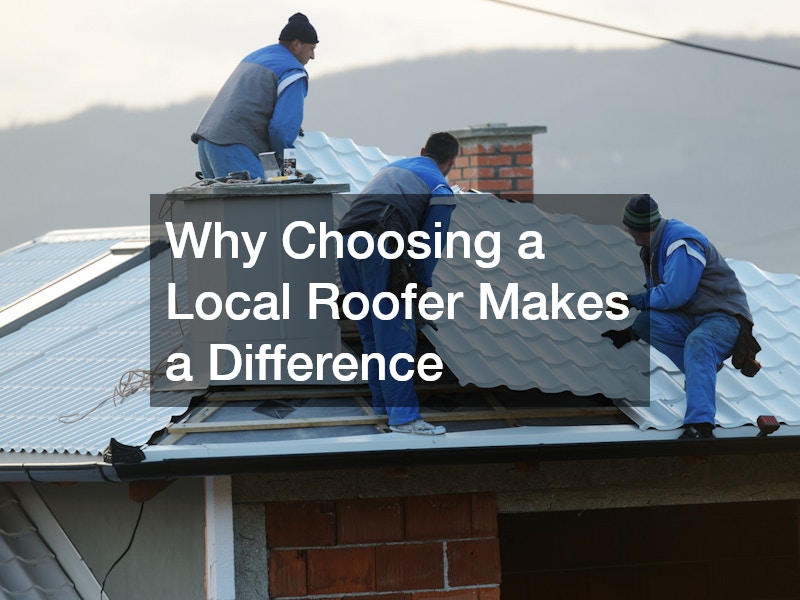
Working with someone nearby can make a major difference because they are more familiar with local weather patterns, common home styles, permitting expectations, and the problems homeowners in your area experience most often. They also have a reputation to protect in the same community where they work every day.
This guide explains why choosing nearby expertise can lead to better service, stronger accountability, faster response times, and more confidence throughout the entire project.
Start With the Conditions Around Your Home

Every region creates different challenges for a home’s exterior. A house in a storm-heavy area will not have the same needs as one exposed to extreme heat, heavy snowfall, coastal air, or frequent freeze-and-thaw cycles. That is why local knowledge is so valuable.
A roofer who regularly works in your area will usually understand which materials tend to hold up best, which installation methods help prevent recurring problems, and which seasonal issues homeowners should watch for. For example, homes in hot climates may need materials that handle prolonged sun exposure, while homes in wet climates may need extra attention to drainage, flashing, and ventilation.
Before hiring anyone, ask what problems they see most often in your neighborhood or region. Their answer can tell you a lot. A knowledgeable professional should be able to explain common weak points, material concerns, and maintenance habits that help extend the life of your home’s protection system.
You can also ask how local weather affects installation timing. Temperature, humidity, wind, and rain can all influence when certain work should be performed. Someone with real local experience can help schedule the project at the right time and reduce the risk of delays or poor results.
Local familiarity also matters when it comes to building codes and neighborhood requirements. Some communities have specific rules about materials, colors, drainage, or exterior appearance. Hiring someone who understands those expectations can help you avoid avoidable mistakes, rejected permits, or surprise expenses.
Look Beyond Star Ratings
Online reviews are helpful, but they should not be the only factor in your decision. A five-star rating may show that past customers were satisfied, but it does not always reveal how the company handles communication, timelines, warranties, cleanup, or unexpected challenges.
When comparing options, ask for references from nearby homeowners. A local roofer should be able to point to completed work in your area or connect you with customers who had similar needs. Speaking with past clients gives you a clearer idea of what the experience is like from start to finish.
Ask references practical questions. Did the crew arrive when expected? Was the estimate accurate? Were changes explained clearly? Was the property protected during the project? Was cleanup handled well? Did the company respond quickly after the work was completed? These details often reveal more than a star rating.
It is also important to evaluate communication during the estimate process. A reliable roofing contractor should be willing to explain findings, discuss options, answer questions, and provide a written proposal. If someone rushes you, avoids details, or pressures you to sign immediately, consider that a warning sign.
Make sure the company has proper licensing, insurance, and any relevant certifications. Ask for proof rather than relying on verbal promises. This protects you if property damage, injuries, or workmanship issues occur. Reputable professionals expect these questions and should have no problem providing documentation.
Pay attention to how they inspect your home. A careful inspection should involve more than a quick glance. The person evaluating the project should explain what they see, identify areas of concern, and help you understand which issues are urgent and which can be monitored.
Prepare Before a Small Issue Gets Worse
Problems often start small. A missing shingle, minor leak, loose flashing, clogged drainage area, or damaged seal may not seem urgent at first. But moisture can spread quickly, and small openings can lead to insulation damage, mold concerns, stained ceilings, weakened decking, or structural deterioration.
That is why roof repair should be addressed as soon as possible. Nearby professionals can often respond faster than companies located far away, especially after storms or sudden leaks. When many homeowners need help at once, distance and scheduling become major factors.
Before an emergency happens, create a simple action plan. Know who you would call, where important documents are stored, and what signs require immediate attention. Common warning signs include water stains on ceilings, damp attic insulation, missing materials, sagging areas, granules collecting near downspouts, or light visible through attic boards.
It also helps to understand what temporary steps you can take safely. For example, placing a bucket under an active leak, moving belongings away from wet areas, documenting damage with photos, and avoiding unsafe climbing can protect your home while you wait for professional help. Never put yourself at risk by climbing onto a wet, steep, or damaged surface.
Ask potential providers how they handle urgent requests. Do they offer emergency roof repair services? How quickly can they inspect storm damage? Do they provide temporary protection if full work cannot be completed immediately? Their answers can help you choose someone before you are dealing with stress and water damage.
Fast response matters, but so does proper diagnosis. A visible leak inside the home may not be directly below the actual entry point. Water can travel along beams, insulation, or interior surfaces before appearing in a room. A knowledgeable local professional can trace the source and recommend a lasting fix instead of a short-term patch.
Think About Long-Term Value Instead of the Lowest Price

A major home project should be evaluated by long-term value, not just the lowest estimate. A cheaper proposal may look attractive at first, but it can cost more later if it includes lower-quality materials, rushed labor, limited cleanup, weak warranty protection, or incomplete preparation.
When considering roof replacement, ask each company to explain the full scope of work. The proposal should outline materials, underlayment, ventilation details, flashing, removal of old materials, disposal, warranty terms, and any possible additional costs. A vague estimate makes it difficult to compare options fairly.
Local experience can help with material selection. Some products perform better in certain climates than others. A company that regularly provides residential roofing services in your area can explain which materials are commonly used, how long they typically last, and what maintenance they require.
Ventilation is another important part of long-term performance. Poor ventilation can trap heat and moisture, shorten material lifespan, increase energy costs, and contribute to attic problems. A thorough professional should evaluate airflow, not just the visible exterior surface.
Warranty coverage also deserves careful attention. There may be separate warranties for materials and workmanship. Ask what is covered, how long coverage lasts, what could void the warranty, and who handles future concerns. A strong warranty is only useful if the company remains available and responsive.
It is also wise to think about resale value. Buyers may ask about recent exterior improvements, permits, warranties, and maintenance records. Keeping clear documentation can make future transactions easier and show that the home has been properly cared for.
The best value often comes from a balance of fair pricing, quality materials, skilled installation, strong communication, and dependable follow-up. A responsible company should help you understand your options without pushing you toward unnecessary upgrades.
Choose Accountability You Can Actually Find
One of the strongest reasons to hire nearby is accountability. A local roofing company depends on its reputation within the community. Its future work often comes from referrals, repeat customers, neighborhood visibility, and word of mouth. That creates an added incentive to do the job well and treat customers fairly.
A company with a physical presence in your area is also easier to reach if you need follow-up help. If a concern appears months after the project, you want someone who can return, inspect the issue, and stand behind the work. Hiring an out-of-area crew may make follow-up more difficult.
Look for signs that the company is established and stable. A trustworthy roofing business should have clear contact information, a professional website, consistent branding, local references, and a history of completed projects. You can also check whether the company is involved in community events, local organizations, or neighborhood sponsorships.
Community ties are not just marketing. They can show that the company plans to remain in the area and values its reputation. When a business works where its owners and employees live, there is often a stronger sense of responsibility.
Still, do not rely on local status alone. Verify insurance, read reviews from multiple platforms, ask for a written contract, and confirm warranty details. Being nearby is a major advantage, but it should be paired with professionalism and proper qualifications.
You should also be cautious of storm-chasing operations that appear after severe weather. These companies may knock on doors, offer quick deals, and leave once demand slows down. Some may do good work, but others are difficult to contact later. Choosing an established nearby provider can help reduce this risk.
Compare Your Options With a Practical Checklist
Even when you prefer to hire nearby, it is smart to compare more than one estimate. Speaking with multiple local roofing companies gives you a better sense of fair pricing, available materials, project timelines, and communication styles.
Start with a simple checklist. Does the company provide a written estimate? Does the proposal explain materials and labor clearly? Are payment terms easy to understand? Is cleanup included? Are permits addressed? Is warranty coverage written into the agreement? These questions help you compare more than just the final price.
Do not be afraid to ask each company to explain differences between estimates. One proposal may cost more because it includes better materials, additional preparation, ventilation improvements, or stronger warranty coverage. Another may be lower because key items are missing. You cannot make a fair decision unless you understand what is included.
Ask who will supervise the project. Some companies send a sales representative for the estimate but use a different crew for the work. That is not necessarily a problem, but you should know who your point of contact will be and how questions will be handled during the project.
The contract should also explain how unexpected issues are managed. Sometimes hidden damage is discovered after old materials are removed. Ask how those situations are documented, priced, and approved. A reputable company should not surprise you with major charges without communication.
Payment structure matters too. Be cautious if someone asks for full payment upfront. A reasonable deposit may be standard, but the agreement should clearly state when payments are due and what milestones they are tied to.
Finally, trust how the process feels. A company that communicates clearly, respects your questions, and provides detailed information before the job is more likely to handle the project professionally once work begins.
Plan for Support After the Work Is Done
The end of the project should not be the end of the relationship. Ongoing maintenance and periodic inspections can help you catch small concerns before they become expensive problems.
Ask the company what maintenance schedule they recommend. Depending on your climate and surrounding trees, inspections may be useful after major storms, before harsh seasons, or at least once a year. Routine checks can identify damaged materials, clogged drainage areas, sealant issues, flashing concerns, or ventilation problems.
Keep all paperwork in one place. Save estimates, contracts, invoices, warranty documents, material details, inspection reports, and photos. This information can help with future service, insurance claims, and resale questions.
You should also ask what to do if you notice a concern after the project. Who should you call? Is there a service department? What information should you provide? How quickly are warranty-related issues reviewed? Clear expectations make future communication easier.
A strong nearby relationship can be valuable over time. Instead of searching from scratch every time you have a question, you already have someone familiar with your home’s history. That familiarity can lead to better recommendations and more efficient service.
Homeowners often think about exterior work only when something goes wrong. But preventative attention is usually less stressful and more affordable than emergency work. A dependable local professional can help you plan ahead, budget wisely, and avoid unnecessary surprises.
The Right Choice Brings Lasting Peace of Mind

Choosing nearby expertise is about more than convenience. It is about finding someone who understands your area, values their reputation, responds when you need help, and remains available after the project is finished.
The right professional can help you make informed decisions, avoid common mistakes, and protect one of your most important investments. From the first inspection to the final cleanup, the experience should feel clear, organized, and respectful.
Take your time, ask detailed questions, compare written estimates, and look for signs of accountability. When you choose carefully, you gain more than completed work. You gain a dependable resource who can help you care for your home for years to come.