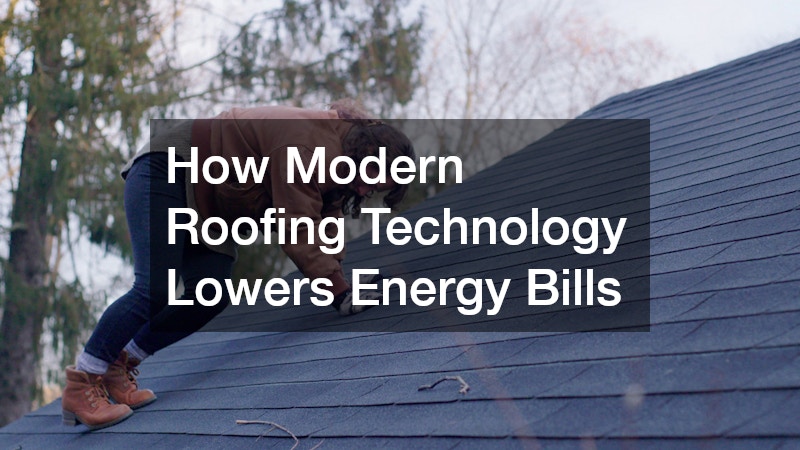
For decades, the primary role of a residential roof was simply to provide a structural shield against rain, snow, and wind. Today, the roof is viewed as a critical component of a home’s thermal envelope, acting as a sophisticated barrier that regulates temperature and manages airflow. As utility costs continue to climb and homeowners become more conscious of their environmental footprint, the demand for high-performance roofing systems has reached an all-time high.
A modern roof is a multi-layered system designed to mitigate heat transfer. During the height of summer, a traditional roof can reach temperatures exceeding 150 degrees Fahrenheit, radiating that heat directly into the living spaces below. Conversely, in the winter, a poorly designed roof allows expensive heated air to escape into the atmosphere.
Optimize the Thermal Envelope Through Advanced Ventilation

The foundation of energy efficiency begins in the attic. Without proper airflow, heat becomes trapped in the upper levels of the home, creating a “baking” effect that permeates through the ceiling and into the bedrooms. Modern ventilation technology aims to create a continuous, balanced flow of air that keeps the attic temperature as close to the outdoor temperature as possible.
One of the most effective solutions for large-scale energy management is the wind vented roofing system. This technology utilizes the physics of wind movement over the roof’s surface to create areas of low pressure. This pressure differential effectively pulls air through the system, removing stagnant heat and moisture far more aggressively than standard ridge or soffit vents. By keeping the roof deck cool from underneath, the interior of the home remains stable even during extreme heat waves.
Achieving this level of performance requires more than just high-end products; it requires the skill of a seasoned local roofer. These professionals understand the specific microclimates of your area and can determine the exact placement of intake and exhaust points. A properly calibrated system ensures that air is replaced several times per hour, which prevents the moisture buildup that can compromise your insulation’s effectiveness and lead to higher heating costs in the winter.
Key Benefits of Smart Ventilation
- Reduced HVAC Cycles: When the attic is cool, your air conditioner does not have to cycle as frequently to maintain the thermostat setting.
- Moisture Control: Prevents the condensation that leads to mold growth and wood rot in the structural rafters.
- Ice Dam Prevention: In colder climates, consistent airflow keeps the roof surface at a uniform temperature, preventing the melting and refreezing of snow.
- Extended Shingle Life: Reducing the internal temperature of the roof prevents the materials from “cooking” from the inside out, preserving their integrity.
Strategic Material Selection for Heat Reflection
The color and composition of your roofing material are the most visible factors in energy efficiency. Traditional dark materials absorb up to 90% of solar energy, converting it into thermal energy that moves downward into your home. Modern “cool roofs” utilize specialized pigments and surfaces to reflect this light into the atmosphere before it can be absorbed.
For homeowners seeking the pinnacle of reflective technology, a metal roofing contractor can provide options that offer exceptional thermal performance. Metal roofs are naturally reflective, but modern versions are treated with high-emissivity coatings. These coatings allow the roof to shed any absorbed heat quickly once the sun goes down, ensuring that the house cools off rapidly in the evening rather than holding onto the heat for hours.
If you prefer a more traditional aesthetic, you can still achieve high efficiency through advanced asphalt shingle roofs. Manufacturers now produce shingles embedded with cooling granules that are invisible to the naked eye but highly effective at reflecting infrared radiation. These shingles are often rated by the Cool Roof Rating Council and can reduce the cooling load of a home by a substantial margin while maintaining the classic look of a neighborhood.
Choosing the Right Material for Your Climate
- Reflective Metal: Ideal for sun-drenched areas where solar gain is the primary concern for energy bills.
- Cool-Granule Shingles: Perfect for maintaining historical or traditional home styles while upgrading to modern energy standards.
- Tile and Slate: Naturally high in thermal mass, these materials are excellent for keeping homes warm in winter and cool in summer through slow heat transfer.
- Synthetic Composites: Often made from recycled plastics and rubbers, these provide high R-value insulation properties along with extreme durability.
Managing Natural Light and Heat Gain

The apertures in your roof, such as vents and windows, are often where energy is lost or gained most easily. However, modern technology has turned these potential weaknesses into strengths. By using smart glass and strategic placement, homeowners can use natural elements to further decrease their reliance on the electrical grid.
The installation of modern skylights can provide a dual benefit of illumination and ventilation. Today’s models feature multi-paned glass with argon gas fills and Low-E coatings that block UV rays while letting in visible light. Some advanced units are even equipped with sensors that automatically open to release hot air when a certain temperature is reached, providing a natural chimney effect that cools the home without using a fan.
To complement these installations, many homeowners are adding exterior awnings to shade the glass surfaces during the most intense parts of the day. By blocking direct sunlight before it even hits the glass, these fixtures can reduce heat gain through windows by up to 77%. This prevents the “hot spots” often found in living rooms or kitchens, allowing the HVAC system to operate more efficiently across the entire floor plan.
Maximizing Window and Aperture Efficiency
- Solar Powered Blinds: Many roof windows now come with blinds powered by small solar cells, allowing for remote control of light and heat.
- Automated Venting: Using the natural rise of hot air to vent the home through the roof can reduce the need for air conditioning by several degrees.
- UV Protection: High-quality glass coatings prevent your furniture and flooring from fading while keeping the room cool.
Synchronizing the Building Envelope for Thermal Consistency
Energy efficiency is a holistic endeavor that requires every component of the home’s exterior to work in a unified manner. A high-tech roof, no matter how advanced its reflective coatings or ventilation may be, will not reach its full potential if the walls and drainage systems are not properly integrated. This is because the junctions where the roof meets the walls are prime locations for air leaks and thermal bridging. These structural gaps often account for a significant portion of a home’s total energy loss, as they allow conditioned air to bypass your insulation entirely.
To ensure a seamless thermal barrier, it is often necessary to work with local siding contractors who specialize in high-efficiency envelopes. When siding and roofing are addressed together, professional installers can ensure that the house wrap, vapor barriers, and flashing are perfectly aligned. This eliminates the microscopic gaps that allow cold drafts to penetrate in the winter and humid air to seep in during the summer, effectively “sealing” the home from the elements. By treating the roof and walls as a single, continuous shield, you minimize the “chimney effect” where warm air escapes through the top of the house while pulling cold air in through the bottom.
- Rigid Foam Sheathing: Often installed under siding to provide a continuous layer of insulation that prevents thermal bridging through the wall studs.
- High-Performance Flashing: Prevents air and water from entering the vulnerable joints where different building materials meet, such as the roof-to-wall intersection.
- Soffit Sealing: Critical for preventing air from the attic from leaking into the wall cavities, which maintains the R-value of your wall insulation.
The Impact of Water Management on Thermal Performance

While most homeowners associate gutters strictly with preventing basement floods, water management also plays a subtle but vital role in how much you pay for heating and cooling. Moisture is the enemy of insulation; once fiberglass or cellulose insulation becomes damp, its fibers compress and lose the air pockets required to resist heat flow. A high-quality gutter installation ensures that water is moved quickly and efficiently away from the eaves and the foundation, preventing the “wicking” effect where moisture travels upward into the structural components of the roof.
If water saturates the wood around the roofline due to poor drainage, it can cause the insulation within the attic and the tops of the walls to become damp. Once insulation is wet, it loses its ability to resist heat flow, leading to a spike in energy consumption as the home struggles to stay warm or cool. Furthermore, excess moisture near the roofline increases the humidity levels in the attic, forcing your air conditioner to work harder to dehumidify the air. Maintaining a dry exterior through precision drainage is therefore a prerequisite for any energy-saving strategy.
- Proper Downspouts: Ensuring that water is discharged at least five feet away from the foundation to keep the basement and crawlspace dry, which stabilizes the home’s baseline temperature.
- Seamless Gutter Technology: Reduces the risk of leaks at the seams, ensuring that the fascia board and rafter tails remain dry and structurally sound.
- Diverters and Splash Blocks: Strategically placed to prevent soil erosion and ensure that moisture does not pool near the thermal envelope.
Protecting Your Investment from Environmental Stressors
A roof can only remain energy efficient if it is kept in pristine condition. Environmental factors such as shade, debris, and biological growth can all interfere with the way a roof reflects light or vents air. If a reflective roof becomes covered in dirt or algae, its “cool” properties are neutralized, and it begins to absorb heat once again.
One of the most important maintenance tasks is managing the vegetation that interacts with your home. It is often necessary to consult a tree company to prune back limbs that hang over the roof surface. Aside from preventing physical damage, clearing the canopy allows for better airflow over the roof and ensures that moss and algae do not have the damp, shaded environment they need to thrive and trap heat.
Additionally, the drainage system must remain clear to protect the ventilation intake points located at the edges of the roof. Utilizing gutter guards is an effective way to ensure that debris does not accumulate and block the airflow into the soffits. When gutters are clear, the entire roofing system can “breathe” as it was designed to, maintaining the delicate balance of pressure and temperature that keeps your energy bills low year-round.
Proactive Maintenance for Energy Savings
- Annual Inspections: Catching small leaks or slipped shingles before they ruin your attic insulation.
- Debris Removal: Keeping the surface of the roof clean so that reflective coatings can function at 100% capacity.
- Algae Treatment: Preventing dark streaks from forming on shingles, which increases heat absorption.
- Insulation Checks: Ensuring that attic insulation has not settled or been moved away from the edges of the house.
The Long-Term Financial Impact of Smart Roofing
When homeowners look at the cost of a modern roof replacement, they often focus solely on the upfront price of labor and materials. However, the true value of a roof is found in its life-cycle cost. By investing in the technologies discussed—such as reflective coatings, aerodynamic ventilation, and integrated exterior components—you are effectively pre-paying for your future energy savings. A home that stays naturally cooler in the summer and warmer in the winter is not only more affordable to operate but also more comfortable to live in.
Reduction in energy demand has a secondary benefit: it extends the lifespan of your mechanical systems. When an air conditioner does not have to work twice as hard to fight a hot attic, its components last longer and require fewer repairs. Over the span of twenty or thirty years, the combination of lower utility bills and reduced HVAC maintenance can save a homeowner tens of thousands of dollars.
The goal of modern roofing technology is to create a home that works with nature rather than against it. By harnessing the wind for ventilation and the sun for light—while reflecting its heat—the modern roof stands as a testament to how far construction science has come. It is no longer just a lid for a box; it is a sophisticated, energy-saving engine that protects both your family and your finances. Choosing the right materials and the right professionals today ensures that your home will remain efficient, durable, and cost-effective for decades to come.