Assessing roof damage accurately is an essential skill for roofing contractors, involving both traditional and technologically advanced techniques. Proper assessment prevents minor damages from becoming major issues, ensuring the longevity and safety of the structure. This article delves into the comprehensive process of how roof repair services evaluate damages, the tools they employ, and the factors influencing repair costs, thereby highlighting the critical role of professional roof damage assessment.
1. What are the Common Indicators of Roof Damage?
1.1. Visual Signs of Wear and Tear
Roof damage often starts with wear and tear visible from the ground. Missing shingles, cracks, and curling edges are telltale signs that the roof is compromised.
Contractors meticulously inspect these areas, often using binoculars for a clearer view, particularly on steep or inaccessible areas. Noticing these signs early allows homeowners to prevent more extensive damage. Professionals consistently emphasize that overlooking even small issues can lead to the necessity for major repairs later.
1.2. Leaks and Water Spots
Water damage is another primary indicator of roof issues, often manifesting as leaks or spots on ceilings and walls. Contractors use moisture meters and thermal imaging to detect leaks that are not visible to the naked eye. Identifying leaks and their sources is crucial, as water infiltration can lead to structural weakness and mold growth. Effective water damage assessment helps determine if temporary patchwork will suffice or if a full-scale repair is needed. In the roofing industry, timely intervention is key to managing costs and preventing further issues.
1.3. Mold and Algae Growth
Mold and algae are not just unsightly; they indicate potential long-term damage. These biological growths thrive in humid environments and can accelerate the deterioration of roofing materials. Contractors assess the extent of this growth to decide on cleaning, repairs, or replacements. It’s important for roofers to check the attic’s ventilation system as well, as poor ventilation can contribute to mold growth. Controlling mold and algae involves treating the roof surface to kill existing growths and implementing measures to prevent their return.
1.4. Sagging or Uneven Roof Lines
Sagging or uneven roof lines hint at deeper structural issues that may not be immediately apparent. Contractors evaluate the underlying support system, looking for joists or rafters that may have weakened over time. In some cases, the weight of multiple roofing layers over several years might contribute to sagging. Roofers then propose solutions that range from reinforcing the existing structure to a complete rehaul. Effective assessment ensures the safety and integrity of a building, preventing potential hazard from structural collapse.
1.5. Review of Age and Weather Impact
The age of a roof and the impact of weather conditions are critical factors in assessing roof damage. Older roofs are naturally more prone to damage due to the degradation of materials over time. Contractors often look at the roof’s maintenance history while considering typical weather patterns in the area, such as heavy rainfall or hail. This helps them estimate the roof’s lifespan and forecast future needs for repair or replacement. Professional assessment takes into consideration the specific weather challenges of the region to provide accurate recommendations.
2. How Do Contractors Perform a Roof Inspection?
2.1. Preliminary Visual Inspection Techniques
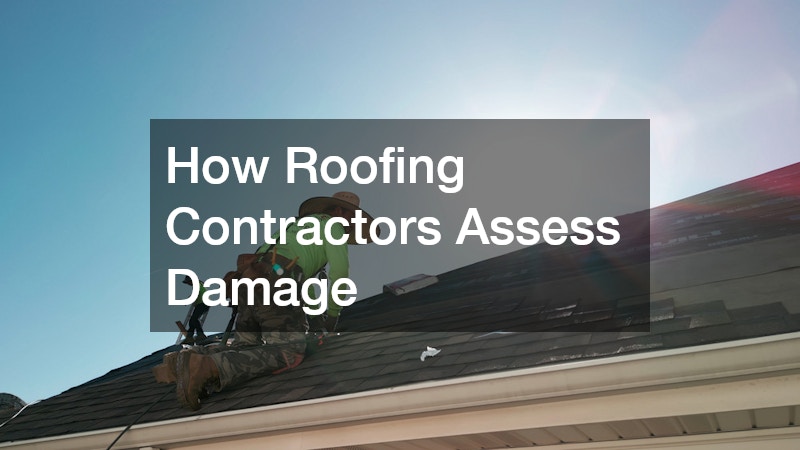
Roof inspections begin with a comprehensive visual examination, which is both cost-effective and informative. Contractors walk around the property and use ladders to reach and inspect higher areas. They look for debris, clogged gutters, and any apparent damage that might need further investigation. Professional roofers also take photographs to document the condition for future comparison. A thorough initial inspection lays the groundwork for detecting issues that may require advanced technology to investigate further.
2.2. Use of Technology in Roof Inspections
Technology has revolutionized roof inspection practices, enhancing accuracy and safety. Drones equipped with high-resolution cameras capture aerial views of the roof, providing detailed data that could be missed from the ground. Infrared cameras detect temperature variations that may indicate trapped moisture, leaks, or insulation deficiencies. This technological approach ensures a high level of detail and precision, allowing contractors to diagnose problems quickly and propose solutions. By integrating technology, roofers elevate the quality and efficiency of their inspections.
2.3. Detailed Structural Analysis
Beyond surface indicators, a detailed structural analysis is pivotal in comprehensive roof assessments. Contractors delve under the surface to inspect the underlying framework that supports the entire roof. This involves checking the trusses, beams, and rafters for signs of wear, rot, or insect damage. Utilizing professional tools, inspectors assess the stability of these components to ensure they meet safety standards. Understanding the structural integrity of the roof helps contractors provide reliable advice on necessary repairs or reinforcements.
2.4. Assessment of Roofing Materials
The choice of roofing materials significantly impacts the durability and repair needs of a roof. Contractors systematically check the type, condition, and installation of these materials, considering factors such as their resistance to weather and UV radiation. By understanding the properties of different materials, roofers can recommend the best course of action for maintenance or replacement. Additionally, they ensure materials are eco-friendly and durable, aligning with modern sustainability standards. Material assessment is crucial for forming a comprehensive damage analysis and maintenance strategy.
2.5. Post-Inspection Reporting
After a meticulous inspection, contractors compile their findings into a detailed report for homeowners. This report includes photographs, identified issues, recommended repair actions, and cost estimates. Documentation serves as a practical reference for homeowners to understand the roof’s current state and future maintenance needs. It also provides a solid basis for negotiations with insurance companies or decision-making regarding necessary repairs. A well-documented inspection report is instrumental in ensuring transparency and making informed decisions.
3. What Tools and Equipment are Essential?
3.1. Safety Gear for Roof Inspections
Safety is paramount during roof inspections, necessitating the use of specific gear. Contractors utilize harnesses, helmets, and non-slip footwear to mitigate the risks of falls or injuries. Safety gear is essential to maintaining compliance with industry standards and ensuring the well-being of inspection personnel. Companies often invest in training workers on safety protocols and the correct use of equipment. By prioritizing safety, contractors not only protect their teams but also set a standard for professional conduct in the industry.
3.2. Technological Tools
In the modern era, technological tools have become indispensable in roof inspections. Drones offer unparalleled access to hard-to-reach areas, while infrared scanners provide insights into potential moisture issues. These tools enhance accuracy and efficiency, allowing for detailed analyses without invasive measures. By leveraging technology, roofers can offer more informed assessments tailored to each structure’s unique conditions. Technological tools continue to evolve, improving the quality and reliability of roof evaluations.
3.3. Hand Tools for Detailed Assessment
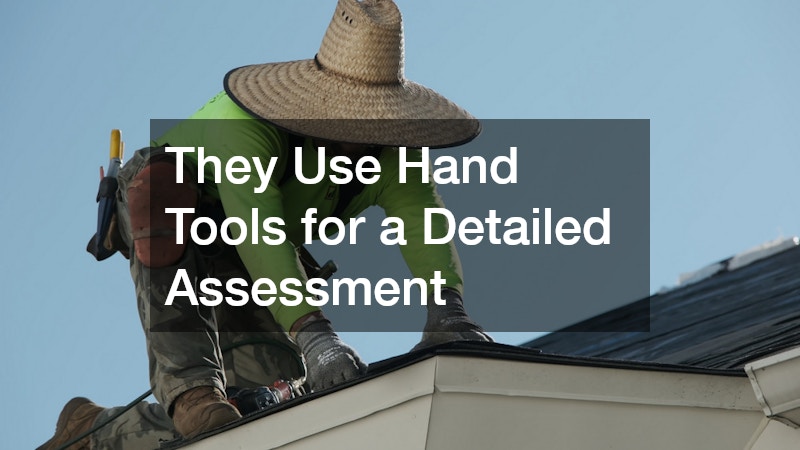
Despite advances in technology, hand tools remain crucial for certain detailed assessments. Commonly used tools include moisture meters, pry bars, and roofing knives to check for underlying material integrity and perform minor repairs. These tools allow roofers to manually inspect small areas and ensure close-up evaluation of potential problem spots. Moreover, hand tools offer flexibility, enabling roofers to perform a variety of tasks essential for thorough inspections. Combining hand tools with technology provides a balanced approach to roofing assessments.
3.4. Material Testing Kits
Material testing kits are crucial for evaluating the condition and quality of roofing components. These kits often include UV detectors, pH testers, and other elements that assess the durability and composition of the materials. Testing ensures that materials still meet performance standards and are fit for continued use. If materials fail these tests, contractors can recommend suitable replacements that enhance the roof’s resilience. These assessments are vital for proactive maintenance, extending the lifespan of the roofing system.
3.5. Documentation Tools
Documentation tools are essential for sharing inspection results with clients and insurance companies. Digital cameras, tablets, and specialized apps streamline the process of recording and organizing data. These tools ensure that findings are documented accurately and efficiently, allowing easy retrieval for future reference or evidence. Effective documentation helps build trust with clients by providing a clear, comprehensive record of the roof’s condition. The use of modern documentation tools reflects a commitment to quality and professionalism in the roofing industry.
4. How Do Weather Conditions Affect Roof Damage?
4.1. Impact of Hail and Storms
Severe weather events, such as hailstorms, can inflict significant damage on roofing structures. Hailstones create dents in shingles or tiles, potentially leading to leaks and further degradation. Storms with high winds exacerbate this issue, lifting or tearing roofing materials. After such events, contractors perform inspections to assess the extent of the damage and recommend necessary repairs. Understanding the immediate impacts of severe weather is crucial in restoring roofs to their optimal condition promptly.
4.2. Seasonal Variations in Damage Risk
Each season poses different challenges for roofing structures, affecting their resilience and longevity. In winter, accumulated snow and ice build-up add stress, while summer’s intense heat and UV radiation can degrade roofing materials. Contractors assess these seasonal impacts and suggest adaptation strategies, such as better insulation or UV-resistant materials. By preparing for these variations, homeowners can better protect their roofing investments from seasonal damage. Adjustments based on seasonal conditions ensure continuous protection and performance.
4.3. Effects of Temperature Fluctuations
Significant temperature fluctuations can place stress on roofing materials, causing them to expand and contract. Over time, this cycle leads to cracks and weakened adhesive bonds, compromising the roof’s integrity. Contractors consider local temperature patterns to recommend materials more suited to withstand thermal stress. They also evaluate roof ventilation as it affects how temperature changes impact the overall structure. Effective temperature management minimizes damage risks and contributes to a roof’s durability over time.
4.4. Wind Damage Considerations
Wind can cause considerable damage to roofs by loosening shingles, exposing underlayment, and creating openings for water intrusion. Contractors evaluate a roof’s wind resistance and suggest reinforcements if necessary, such as additional fasteners or wind-resistant shingles. Properly secured roofing can withstand higher wind speeds, reducing the probability of significant damage during storms. Evaluations focus on areas vulnerable to wind uplift, ensuring thorough protection. By addressing wind-related concerns, roofing contractors help safeguard homes against common environmental threats.
4.5. Long-term Weather Impact
Prolonged exposure to various weather conditions can gradually degrade the quality and performance of a roof. Persistent rain, intense sun, and environmental pollutants contribute to the wearing away of materials. Contractors assess the cumulative effects of weather over the roof’s lifespan, identifying areas most affected. Long-term weather impact assessments guide homeowners in planning for maintenance and future repairs, maximizing the roof’s functional lifespan. Understanding these impacts facilitates proactive care, preventing premature roof failure.
5. How Does the Cost of Repair Get Estimated?
5.1. Factors Influencing Cost
Estimating roof repair costs involves several considerations, including the extent of damage, materials needed, and labor requirements. Contractors assess these factors during inspections, considering both immediate repairs and potential long-term issues. They also examine the roof’s age and exposure to elements as further cost determinants. Realistic cost estimates help homeowners budget effectively and prioritize necessary repairs. Understanding these variables enables transparent communication and ensures there are no financial surprises.
5.2. Estimation Procedures
The cost estimation process for roofing repairs is a systematic approach aimed at accuracy. Contractors measure the affected areas, calculate material requirements, and factor in labor hours. They use software tools to model repair scenarios and generate precise cost projections. Accurate estimations are vital for both setting realistic customer expectations and successfully project management. Efficient estimation procedures help in providing comprehensive and reliable repair proposals to clients.
5.3. Insurance Considerations
Insurance plays a significant role in covering roofing repair costs, affecting the final financial outlay for homeowners. Contractors often work with insurance adjusters to verify claims and ensure appropriate coverage. They compile detailed reports and photographs to substantiate claims, facilitating smoother insurance processing. Understanding policy details can help homeowners maximize their insurance benefits for repairs. Insurance considerations are integral to providing affordable solutions for necessary roofing projects.
5.4. Material and Labor Costs
Material and labor costs constitute the majority of roofing repair expenses. The choice of materials, such as shingles, tiles, or metal, heavily influences the overall cost. Contractors determine the best quality materials within the client’s budget to ensure lasting repairs. Labor costs take into account the complexity of work, time, and necessary expertise. When estimating these costs, it is important to ensure fair pricing while maintaining quality standards in repair works.
5.5. Negotiation and Finalizing Costs
Once the inspection and estimation processes are complete, contractors and clients need to finalize repair costs. This typically involves negotiations to align repair strategies with budget constraints. Contractors provide multiple options and work to find solutions that meet both quality and financial considerations. Contracts are drawn up, detailing the scope of work, timelines, and agreed costs to ensure transparency. Effective negotiation ensures satisfaction for both parties, leading to successful project outcomes.
In conclusion, a professional roof damage assessment encompasses a detailed evaluation of visible and hidden indicators, coupled with advanced technology to ensure accurate findings. Contractors use a variety of tools to perform comprehensive inspections, identify potential problems, and propose suitable repair strategies. Understanding the specific weather impacts, structural considerations, and insurance factors allows for accurate costing and effective maintenance planning. Ultimately, skilled contractors provide invaluable expertise in preserving the integrity and extending the lifespan of roofing structures.