Key Takeaways
-
Bundling roof, siding, and window projects reduces utility bills by up to 30%.
-
A siding contractor ensures insulated siding systems are installed with proper air barriers.
-
Year-round comfort improves with fewer drafts, stable temperatures, and less HVAC strain.
-
Incentives and rebates make bundled remodels more affordable.
-
Choosing one contractor for all three upgrades simplifies scheduling and ensures cohesive results.
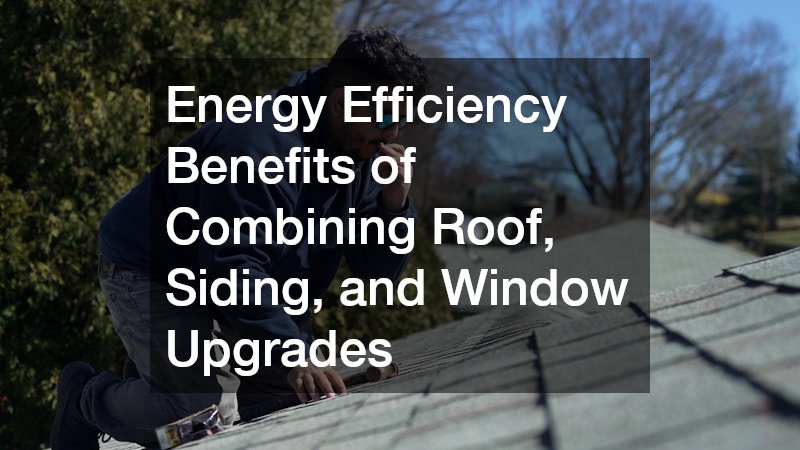
Energy efficiency is no longer just a buzzword—it’s a practical necessity for today’s homeowners. Rising heating and cooling costs, unpredictable weather patterns, and growing environmental awareness mean homeowners are searching for long-term ways to make their homes more efficient and comfortable. Many focus on isolated upgrades, like installing new windows or re-shingling the roof. While those projects provide value, the greatest improvements come from treating the home as a complete system.
Bundling roof, siding, and window upgrades into one coordinated remodel creates a tightly sealed exterior envelope. This strategy reduces wasted energy, keeps indoor temperatures stable, lowers monthly bills, and improves overall comfort. It also eliminates the inefficiencies that happen when these projects are done separately. An experienced roofing and siding contractor can guide you through material choices and installation strategies that maximize savings while also improving curb appeal.
In this guide, we’ll explore how these three components work together, why bundling projects amplifies efficiency, and what homeowners should consider when planning an integrated remodel.
The Role of Each Component in Home Energy Efficiency
Your home’s “building envelope” is the barrier that separates indoor living space from the outdoor environment. Roofs, siding, and windows make up the majority of this barrier, and each plays a critical role in minimizing heat transfer.
Roof
-
A poorly insulated or outdated roof is one of the largest sources of heat loss in winter. Warm air rises and escapes through the attic if it isn’t properly sealed.
-
In summer, dark shingles absorb heat, raising attic temperatures and forcing air conditioners to work harder. Cool roof systems with reflective coatings or lighter-colored shingles can lower roof surface temperatures by 50°F or more.
-
Proper attic ventilation paired with upgraded insulation prevents moisture buildup, extends roof lifespan, and keeps conditioned air inside.
-
A roofing contractor can evaluate whether your current roof has enough insulation and recommend materials such as energy-efficient asphalt shingles, standing seam metal roofing, or cool roof membranes.
Siding
-
Siding is more than an exterior finish—it directly affects how much air leaks in and out of walls.
-
Traditional wood or uninsulated vinyl siding leaves gaps that allow drafts and moisture intrusion.
-
Modern insulated vinyl siding, fiber cement paired with a house wrap, or engineered wood with foam backing adds a layer of thermal resistance.
-
A certified siding contractor can install a weather-resistant barrier beneath siding to seal leaks around joints, windows, and wall penetrations. This extra step greatly improves insulation continuity.
-
Insulated siding systems can raise a home’s effective R-value, making walls much more resistant to heat loss and gain.
Windows
-
Old single-pane windows lose energy quickly, with up to 30% of heating and cooling escaping through the glass.
-
Modern double- and triple-pane windows use inert gas fills like argon or krypton between panes to reduce conduction.
-
Low-E (low emissivity) coatings reflect heat while still letting in natural light.
-
A window replacement project done by an experienced installer ensures tight seals around frames, eliminating air infiltration that undermines performance.
By themselves, these upgrades improve efficiency. Together, they provide a seamless envelope that minimizes wasted energy year-round.
Why Combining Roof, Siding, and Window Upgrades Amplifies Savings
Homeowners often wonder whether they should stagger projects or complete them together. While spreading upgrades over time may seem financially easier, combining them produces far greater results.
-
Whole-house envelope effect: If you only replace windows, heat may still escape through the roof and walls. Bundling ensures all weak points are sealed at once.
-
Insulation continuity: Gaps often occur where roofing meets siding, or where siding meets window frames. When handled by the same siding contractor or general exterior remodeler, these seams are sealed consistently.
-
Lower labor costs: A local siding contractor who also manages roofing and window crews can bundle labor, reducing mobilization costs. Multiple visits, equipment rentals, and staging are minimized.
-
Fewer disruptions: Instead of scheduling three separate projects over several years, homeowners deal with one coordinated timeline.
-
Unified design: Choosing roofing, siding, and window materials at the same time ensures your home has a cohesive appearance.
This combined approach can cut utility costs by 20–30%, compared to upgrading only one element.
Reduced Utility Bills Through Integrated Exterior Remodels
Utility bills are one of the most noticeable areas where homeowners see immediate results.
-
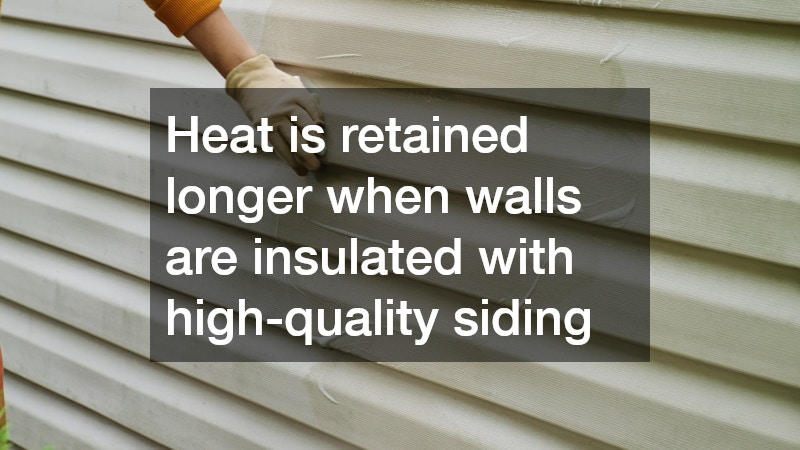
Heating savings in winter: Heat is retained longer when walls are insulated with high-quality siding, and warm air no longer escapes through the roof.
-
Cooling savings in summer: Reflective roofing materials and energy-efficient windows reduce indoor heat gain. Air conditioners run less often, lowering electricity bills.
-
Example savings: A 2,000-square-foot home with outdated siding, roofing, and windows may spend $2,800 annually on heating and cooling. After bundling upgrades, costs can fall to around $2,000 per year, saving $800. Over 10 years, that’s $8,000 in reduced bills—not counting rebates or increased resale value.
-
Added bonus: Smaller HVAC equipment may be sufficient after upgrades, reducing replacement costs in the future.
An experienced siding contractor who coordinates with roofing and window specialists can provide an energy audit before and after the remodel, helping homeowners track actual savings.
Year-Round Comfort Improvements
Financial savings are important, but comfort is often the improvement homeowners appreciate most.
-
Summer comfort:
-
Reflective roofing prevents upstairs rooms from overheating.
-
Insulated siding keeps humidity and hot air from penetrating walls.
-
Advanced windows block UV rays that cause glare and fade furniture.
-
-
Winter comfort:
-
Draft-free rooms thanks to tightly sealed windows and caulked siding seams.
-
Stable indoor temperatures without cold spots near exterior walls.
-
A properly insulated attic prevents ice dams and reduces moisture buildup.
-
-
Everyday benefits:
-
Quieter indoor environment, since insulated siding and multi-pane windows also reduce outside noise.
-
Better humidity control, reducing risks of mold and improving indoor air quality.
-
A siding contractor who specializes in full exterior remodels often includes weatherization services such as sealing wall penetrations, ensuring homeowners achieve maximum comfort benefits.
Environmental Benefits of an Energy-Efficient Exterior Remodel
Energy-efficient homes aren’t just good for homeowners—they’re good for the planet.
-
Using less electricity and heating fuel reduces demand on power plants, lowering emissions.
-
Energy-efficient homes can reduce greenhouse gas emissions by several tons per year.
-
A full remodel using recyclable siding and roofing materials (such as fiber cement or metal roofing) minimizes landfill waste.
-
Reducing HVAC run time lowers the need for frequent equipment replacement, cutting manufacturing demand and waste.
Eco-conscious homeowners often work with a siding contractor who recommends sustainable products, such as vinyl siding made from recycled content or ENERGY STAR-certified windows.
Design and Material Options for Maximum Efficiency
Choosing the right products is key to maximizing performance. A knowledgeable siding contractor can help you compare materials and ensure compatibility.
Roofing Options
-
Cool roofs: Reflective coatings or shingles designed to deflect solar radiation.
-
Metal roofing: Extremely durable, recyclable, and excellent at reflecting heat.
-
Architectural asphalt shingles: Affordable, with energy-efficient versions available.
Siding Options
-
Insulated vinyl siding: Foam-backed panels add thermal resistance and reduce noise.
-
Fiber cement siding with house wrap: Extremely durable, fire-resistant, and effective when paired with a weather barrier.
-
Engineered wood siding: Offers a natural appearance with insulation backing for efficiency.
-
Installation details: A siding contractor ensures joints, corners, and penetrations are tightly sealed to prevent drafts.
Window Options
-
Double-pane windows: Most affordable upgrade, suitable for moderate climates.
-
Triple-pane windows: Best for cold or noisy environments.
-
Low-E coatings: Reduce UV penetration while maintaining brightness indoors.
-
Professional installation: Improperly sealed windows can undermine performance, so working with a qualified installer is essential.
Financial Incentives and Rebates for Bundled Energy Upgrades
The financial return of energy-efficient upgrades is enhanced by rebates, tax credits, and incentive programs.
-
Federal tax credits: ENERGY STAR-rated windows, siding insulation, and roofing materials may qualify.
-
State programs: Many states offer rebates for reflective roofing or insulated siding.
-
Utility company rebates: Local providers often give incentives for reducing demand, particularly when homeowners complete an energy audit.
-
Financing options: Some siding contractors partner with lenders to provide low-interest financing tailored to energy-efficient remodels.
These programs can offset thousands of dollars in upfront costs, making bundled upgrades more affordable than many homeowners expect.
Why Working with One Exterior Contractor Matters
A bundled remodel involves multiple trades. Choosing one contractor to manage the project avoids scheduling conflicts and inconsistent results.
-
Efficient coordination: Roofing, siding, and window crews are scheduled logically to prevent overlap and damage.
-
Bundled discounts: Contractors may reduce labor rates when multiple services are combined.
-
Consistent workmanship: One siding contractor overseeing the entire project ensures seams between systems are sealed properly.
-
Unified warranty: One point of contact for warranty claims is simpler than dealing with three separate companies.
Many homeowners find that a local siding contractor who also handles roofing and window installation offers the best balance of expertise and cost savings.
Maintenance and Longevity of Energy-Efficient Systems
Once installed, regular upkeep helps ensure energy savings continue for decades.
-
Roof maintenance:
-
Schedule annual inspections with your roofing contractor.
-
Remove debris to prevent water damage.
-
Ensure attic ventilation stays clear.
-
-
Siding maintenance:
-
Wash siding yearly to prevent mildew buildup.
-
Inspect caulking and replace if it cracks or pulls away.
-
Have your siding contractor check for warping or damage after severe weather.
-
-
Window maintenance:
-
Inspect weatherstripping annually and replace if worn.
-
Keep tracks and frames clean to ensure proper closure.
-
Test locks to confirm airtight seals.
-
Regular maintenance prevents small issues from reducing efficiency or causing costly damage later.
Creating a Long-Term Energy Efficiency Plan for Your Home
Bundling roof, siding, and window projects requires planning but delivers the best long-term results.
-
Start with an energy audit to pinpoint current weak spots.
-
Consult with a siding contractor and roofing professional to evaluate materials best suited for your climate.
-
Develop a budget that accounts for both labor and materials, plus a 10–15% contingency.
-
Explore rebates and financing to offset costs.
-
Schedule work strategically—spring and fall are often ideal times for exterior remodels.
This proactive approach ensures your remodel is cost-effective and energy-efficient for years to come.
Conclusion
A home’s roof, siding, and windows account for the majority of energy loss. Upgrading them together, with the help of a knowledgeable siding contractor, creates a powerful, continuous barrier against wasted energy. The results are lower utility bills, year-round comfort, a smaller carbon footprint, and long-lasting value.
By viewing your home as a complete system rather than separate components, you invest not just in efficiency, but in the long-term performance and appeal of your property.