A home’s roof is one of its most critical components, acting as the first line of defense against rain, wind, snow, and sun. Beyond protecting the structure, a roof contributes to energy efficiency, indoor comfort, and overall property value. Over time, weather exposure, natural aging, and even minor maintenance oversights can reduce a roof’s effectiveness. Small issues, such as loose shingles or minor leaks, can quickly escalate into structural damage, mold growth, or expensive repairs if not addressed promptly.
Refreshing your roof is an investment that goes beyond appearance. It can include repairs, upgrades, ventilation improvements, and energy efficiency enhancements. By taking proactive steps, homeowners protect their homes, enhance curb appeal, and extend the roof’s lifespan. This guide provides in-depth, actionable strategies for assessing your roof’s condition, performing repairs, upgrading materials, and planning for the long term, all with a focus on safety, efficiency, and value.
Assess the Current Condition of Your Roof
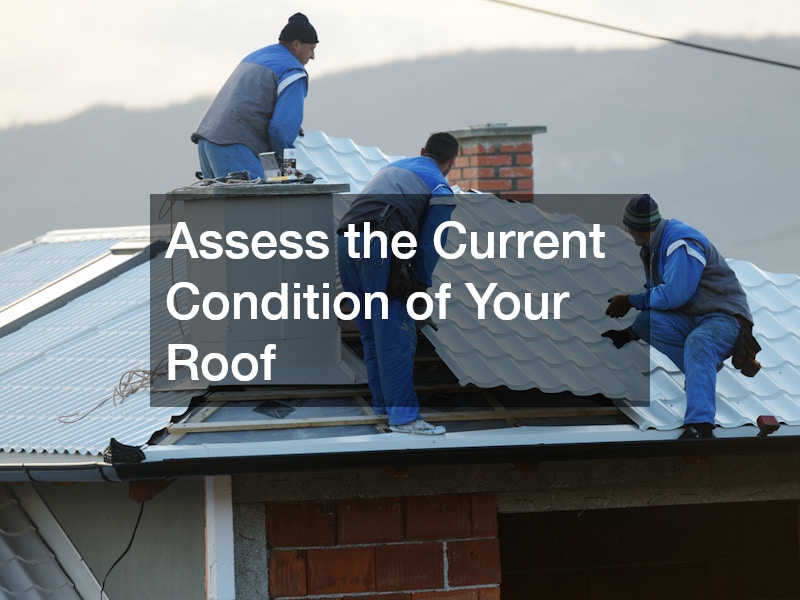
Before you plan any repairs or upgrades, it’s crucial to understand the current state of your roof. A thorough inspection identifies both visible and hidden issues. Begin by examining the exterior for cracked, curling, or missing shingles, rusted flashing, and warped areas. Also, check for dark streaks or discoloration on the roof, which can indicate water retention or algae growth.
Interior inspections are equally important. Check the attic and ceilings for water stains, mold, and sagging. Look for soft spots or warped wood that may indicate structural weakness. Some issues, such as deteriorated underlayment or hidden rot, require professional assessment. Engaging a residential roofer or roof repair expert ensures that all potential risks are identified before they cause major damage.
Key signs to watch for:
- Missing or cracked shingles
- Rust on flashing or metal roofing components
- Water stains on ceilings or walls
- Sagging areas or soft spots in the attic
- Moss or algae growth on shingles
Documenting these observations provides a roadmap for repair and maintenance priorities, helping homeowners make informed decisions.
Identify and Prioritize Repairs
Once you’ve assessed your roof, the next step is prioritizing repairs. Not all damage requires immediate replacement, but certain issues — like leaks, broken flashing, or structural weaknesses — should be addressed first. Prioritizing repairs prevents small problems from escalating into expensive emergencies.
Addressing roof issues promptly is one of the most effective ways to minimize long-term damage and costly repairs. Small problems, such as missing shingles, minor leaks, or damaged flashing, can quickly escalate if left untreated, allowing water to seep into the underlying structure and weaken support beams. Fast repairs prevent moisture from causing mold growth, wood rot, or deterioration of insulation, which can compromise both the roof and the interior of the home. Timely intervention also protects the home during storms, reducing the risk of leaks, structural damage, and interior flooding. By acting quickly, homeowners not only extend the lifespan of their roof but also maintain the safety, comfort, and aesthetic appeal of their property while avoiding expensive emergency repairs.
To create a repair plan:
- Minor issues: Loose shingles, small leaks, minor flashing wear
- Moderate issues: Multiple damaged shingles, minor structural issues
- Severe issues: Large leaks, sagging roof areas, significant water damage
For flat roofs, water pooling can accelerate deterioration, making professional flat roofing or flat roof repair services essential. Timely interventions, targeted repairs, and professional guidance extend your roof’s life, prevent damage to the underlying structure, and provide peace of mind.
Consider Upgrading Your Roof Material
Beyond repairs, upgrading your roofing material can significantly enhance durability, energy efficiency, and aesthetic appeal. Modern materials are designed to withstand harsh weather while reducing long-term maintenance. Metal roofing offers long-term resilience, energy savings, and resistance to fire, wind, and ice, making it a popular choice for homeowners looking for longevity.
When evaluating roofing materials, consider:
- Climate suitability: Metal is ideal for snowy or hail-prone areas
- Lifespan: Asphalt shingles last 15–30 years, metal or slate panels can last 50+
- Energy efficiency: Reflective coatings reduce heat absorption and cooling costs
- Maintenance: Some materials require more upkeep than others
A residential roofing professional can advise on materials that balance performance, style, and cost. Material upgrades not only protect your home but also enhance curb appeal and property value. Choosing high-quality, durable materials ensures the investment pays off for decades.
Inspect and Maintain Gutters
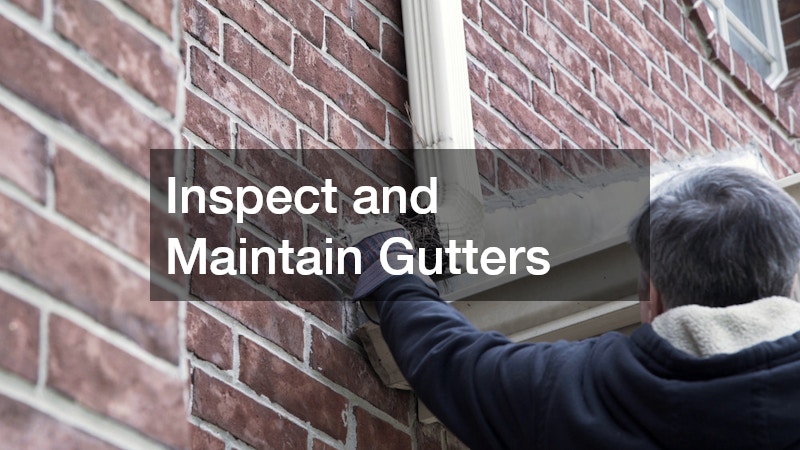
Gutters are often overlooked but play a critical role in protecting both your roof and foundation. Clogged or damaged gutters can cause water to overflow onto the roof, leading to leaks, wood rot, and potential foundation issues. Regular maintenance ensures proper water flow and prevents long-term damage.
Steps to maintain gutters include:
- Cleaning leaves and debris twice a year
- Checking for leaks or sagging sections
- Ensuring downspouts direct water away from your home
- Considering a gutter leaf guard to reduce future blockages
Professional local gutter services can inspect and maintain your gutters, recommend upgrades, and ensure they function efficiently. Proper gutter maintenance not only extends roof life but also prevents costly water-related damage to the home’s exterior and landscaping.
Gutters are essential for managing water flow around your home, ensuring that rain and melting snow are safely directed away from the roof, walls, and foundation. When gutters become clogged or damaged, water can overflow onto the roof, seep into walls, or pool around the foundation, leading to structural damage, mold growth, and soil erosion. Regular inspection and cleaning are critical to maintaining their effectiveness. Homeowners should check for blockages, sagging sections, leaks, or loose attachments at least twice a year, ideally in spring and fall.
Proper slope and alignment allow water to flow smoothly toward downspouts, preventing stagnant pools that can accelerate wear on the roof and exterior surfaces. Additionally, protecting gutters from debris buildup with screens or covers reduces maintenance needs and minimizes the risk of water damage during heavy rainstorms. By keeping gutters in excellent condition, homeowners not only extend the life of their roof but also protect landscaping, foundations, and exterior finishes, ultimately preserving the home’s structural integrity and appearance.
Enhance Roof Ventilation
Proper ventilation is critical for maintaining roof integrity. Without sufficient airflow, heat and moisture accumulate in the attic, leading to accelerated material wear, mold growth, and ice dams. Homeowners should look for signs of poor ventilation, such as uneven roof wear, high attic temperatures, or condensation.
Ways to improve ventilation include:
- Installing ridge vents along the roofline
- Adding soffit vents to draw in cool air
- Using attic fans to actively circulate air
A roofer or roofing services professional can assess your ventilation needs and implement the right solutions. Proper airflow protects roofing materials, preserves insulation, and improves energy efficiency, keeping your home comfortable while extending roof life.
Protect Against Weather Damage
Extreme weather is a major factor in roof deterioration. Hail, heavy rain, snow, and high winds can cause missing shingles, damaged flashing, and leaks. Protecting your roof from weather damage is essential to prolonging its lifespan.
Preventive strategies include:
- Using storm-resistant shingles or metal panels
- Applying high-quality sealants around vulnerable areas
- Reinforcing flashing around chimneys, vents, and skylights
- Scheduling post-storm inspections to catch hidden damage
Working with a professional roof repair team or residential roofer ensures that all potential damage is addressed safely and efficiently. Proactive weatherproofing reduces future repair costs and maintains the roof’s structural integrity.
Extending the life of a roof requires a combination of regular maintenance, timely repairs, and strategic upgrades. Routine inspections help identify minor issues — such as loose shingles, damaged flashing, or small leaks — before they escalate into major problems that compromise the structure. Clearing debris, treating moss or algae growth, and maintaining gutters and downspouts ensures that water does not pool or seep into vulnerable areas, which can accelerate deterioration.
Extend Roof Life Through Routine Maintenance
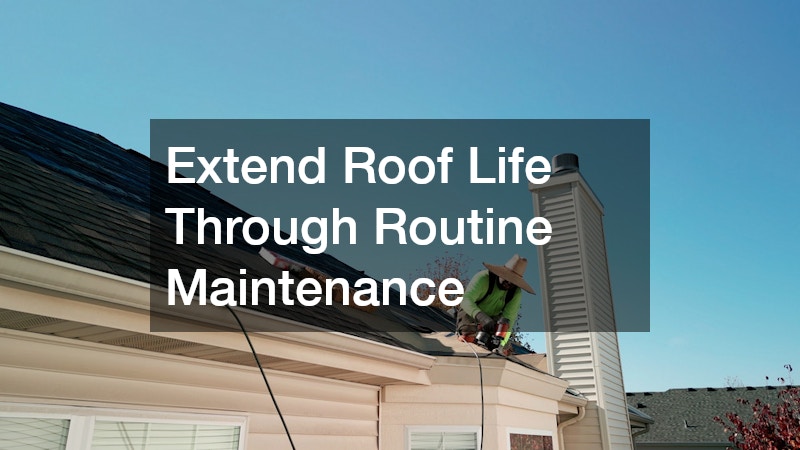
Routine maintenance is the key to extending your roof’s longevity. Regular inspections, cleaning, and minor repairs prevent small issues from escalating. Seasonal maintenance, particularly before winter and after storm seasons, is critical for protecting your home.
Maintenance tasks include:
- Removing debris and moss from the roof and gutters
- Inspecting shingles, flashing, and fasteners for wear
- Treating algae or moss to prevent moisture retention
- Scheduling periodic professional inspections
Professional residential roofing or roofing services providers can safely perform these tasks. Routine maintenance preserves the appearance, safety, and function of your roof, reducing the risk of costly emergency repairs.
Upgrade Insulation and Energy Efficiency
A roof refresh is a prime opportunity to improve energy efficiency. Proper insulation and reflective roofing materials help maintain indoor temperatures, reduce heating and cooling costs, and protect roofing materials from thermal stress.
Energy-efficient strategies include:
- Installing reflective metal roofing panels to minimize heat absorption
- Adding or upgrading attic insulation
- Sealing gaps around vents, skylights, and chimneys
- Applying energy-efficient coatings to prolong material life
Working with a roof repair or metal roofing professional ensures that insulation and energy-efficient materials are installed correctly. The result is a more comfortable, environmentally friendly home with lower energy bills and a longer-lasting roof.
Timely roof repairs play a critical role in improving a home’s energy efficiency. Damaged shingles, leaks, or gaps in flashing allow air and moisture to escape, forcing heating and cooling systems to work harder to maintain comfortable indoor temperatures. By repairing these issues and sealing vulnerable areas, homeowners can reduce energy loss, lower utility bills, and maintain more consistent indoor comfort. Additionally, repairing or upgrading the roof can provide an opportunity to install reflective materials, insulation, or ventilation improvements, all of which further enhance energy efficiency. A well-maintained roof not only protects the home but also contributes to long-term savings and environmental sustainability.
Incorporate Aesthetic Improvements
A roof refresh is also an opportunity to enhance curb appeal. Color, texture, and design choices can dramatically improve a home’s exterior. Thoughtful upgrades increase home value while ensuring the roof functions efficiently.
Ideas for aesthetic improvements include:
- Updating shingles or metal panels for a modern look
- Choosing complementary colors and textures
- Adding dormers or decorative accents for visual interest
- Consulting a residential roofer for design recommendations
Professional roofing services ensure that aesthetic upgrades do not compromise structural integrity. Well-executed improvements protect the home while providing a striking, lasting visual impact. Installing a new roof can dramatically enhance the aesthetic appeal of a home, giving it a fresh, modern look that complements the architecture and landscaping. Upgrading to high-quality materials, selecting attractive colors or textures, and incorporating design elements such as dormers or metal accents can transform a tired exterior into a visually striking property. Beyond visual appeal, a new roof also increases the home’s market value by signaling to potential buyers that the property has been well-maintained and protected against future damage. A well-designed roof not only boosts curb appeal but also conveys durability and quality, making it a smart investment for both enjoyment and resale potential.
Plan for Long-Term Investment and Replacement
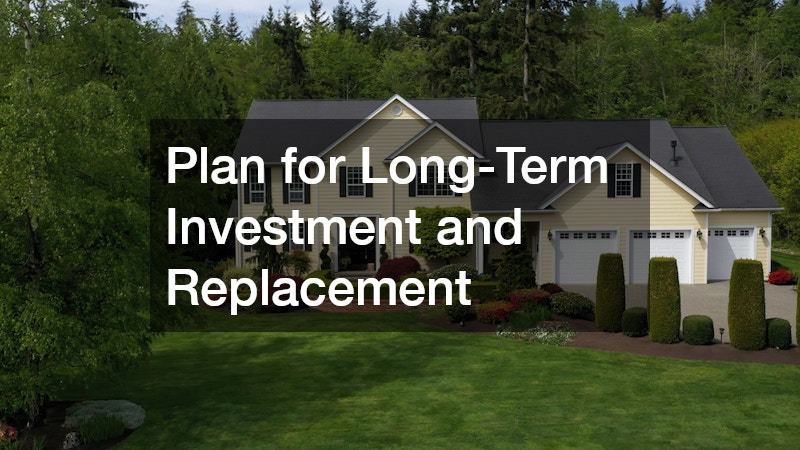
Even the best-maintained roofs eventually need replacement. Long-term planning ensures homeowners are prepared for future needs. Scheduling inspections, budgeting for replacements, and reviewing warranties are all part of responsible homeownership.
Planning tips include:
- Tracking roof age and wear patterns
- Evaluating materials for lifespan and performance
- Consulting a roofer or flat roofing specialist
- Considering long-term home value and aesthetic goals
Strategic planning ensures that roofs remain functional, safe, and visually appealing over time. Anticipating replacements avoids emergency costs, maintains safety, and preserves the overall investment in your home.
Refreshing your roof is an essential investment in home safety, energy efficiency, and curb appeal. By thoroughly assessing the roof, prioritizing repairs, upgrading materials, and maintaining proper ventilation, homeowners can extend roof life and avoid costly emergencies. Routine maintenance, inspections, and preventive strategies are key to protecting your home from damage and preserving long-term value.
Professional roofing services and residential roofers provide the expertise, safety protocols, and guidance needed to ensure successful repairs and upgrades. Working with experts guarantees that all interventions, from minor repairs to material replacements, are done correctly and efficiently.
Energy efficiency upgrades, such as reflective metal panels and improved insulation, reduce energy costs, enhance comfort, and prolong material life. Combined with aesthetic improvements, these upgrades give your home a fresh, modern appearance while maintaining functionality.
Long-term planning, including budgeting, replacement timelines, and material selection, ensures your roof continues to protect and enhance your home for decades. Homeowners who plan can avoid emergency repairs, maintain property value, and enjoy a safe and attractive home environment.
Ultimately, a roof refresh is more than maintenance — it’s a strategic investment. By combining evaluation, repair, upgrades, and professional expertise, homeowners can enjoy a durable, energy-efficient, and visually appealing roof that protects and enhances their home for years to come.